Panna National Park: The Definitive 2026 Safari Guide

Welcome to the ultimate resource for Panna National Park (Panna Tiger Reserve). As of April 3, 2026, Panna is experiencing one of its best wildlife seasons in a decade. With a thriving population of over 80+ tigers and the pristine Ken River flowing through its heart, Panna offers an intimate, raw, and successful conservation story that every wildlife enthusiast must witness.

Why Visit Panna National Park in 2026?

Panna is not just another tiger reserve; it is a symbol of resilience. After facing a local extinction of tigers in 2009, the park’s "Tiger Reintroduction Project" has become a global benchmark.

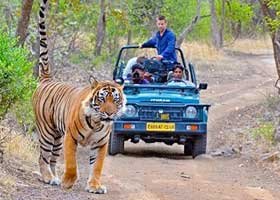
High Sighting Probability: In this April 2026 season, tiger sightings at the Madla Gate have been exceptionally high due to the early onset of summer, drawing big cats toward the Ken River.

UNESCO Recognition: Panna is part of the UNESCO World Network of Biosphere Reserves, ensuring a pristine ecosystem that remains less crowded than Kanha or Bandhavgarh.

The Khajuraho Connection: Located just 25km from the UNESCO World Heritage Khajuraho Temples, Panna is the perfect addition to a cultural and wildlife circuit.

Enquiry

Panna Safari Zones: Choosing the Right Gate

To maximize your chances of a tiger sighting, you must choose your entry gate wisely. Panna is divided into Core and Buffer zones.

1. Madla Zone (Core)
The most famous and accessible gate. It offers a beautiful mix of plateaus and riverine structures. Most of the premium resorts in Panna are located near this gate.
Best for: Tiger sightings, scenery, and boat safaris.

2. Hinouta Zone (Core)
Characterized by dry deciduous forests and rocky terrain. It is the preferred habitat for Leopards and Sloth Bears.
Best for: Photography, rugged landscapes, and solo travelers seeking peace.

3. Jhinna Zone (Buffer & Night Safari)
The star attraction for 2026. This zone allows for the famous Panna Night Safari, where you can spot nocturnal species like the Rusty-spotted cat, Civets, and Honey Badgers.

Biodiversity of the Panna Tiger Reserve

Panna is a sanctuary for much more than just tigers. The park’s unique topography supports a vast array of flora and fauna.

The Big 5 of Panna
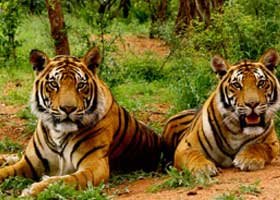
Royal Bengal Tiger: Currently thriving with several active litters in the Madla and Hinouta core.

Indian Leopard: Often seen sunbathing on the rocky outcrops of the Vindhya Range.

Sloth Bear: Frequently spotted near the mahua trees in the early morning.

Gharial (Fish-eating Crocodile): Found in the Ken Gharial Sanctuary within the park.

Indian Vulture: Panna is home to seven species of vultures, often seen nesting on the steep cliffs of the Ken River.

How to Reach Panna National Park

By Air: Khajuraho Airport (HJR) is the closest, located just 25 km away. Daily flights from Delhi and Varanasi make it highly accessible.

By Rail: Satna Junction (70 km) and Jhansi (176 km) are the major railheads connecting Panna to Mumbai, Kolkata, and Chennai.

By Road: Panna is well-connected via NH-39. Private taxis are easily available from Khajuraho, Satna, and Jabalpur.

Best Time to Visit Panna

Peak Wildlife (April - June): Best for tiger sightings as vegetation thins and animals congregate at water holes.

Pleasant Weather (October - March): Ideal for bird watching and experiencing the lush greenery.

Monsoon (July - September): The Core Zones remain closed, but the Buffer zones often stay open for monsoon enthusiasts.

Tour Packages Panna

Our packages of Panna tour are extensively designed to offer a perfect wildlife holiday for you. The various Panna tour packages offered by our tour company are suitable for everyone, whether a single person or a family or a large group of people as well as available in different budget options.

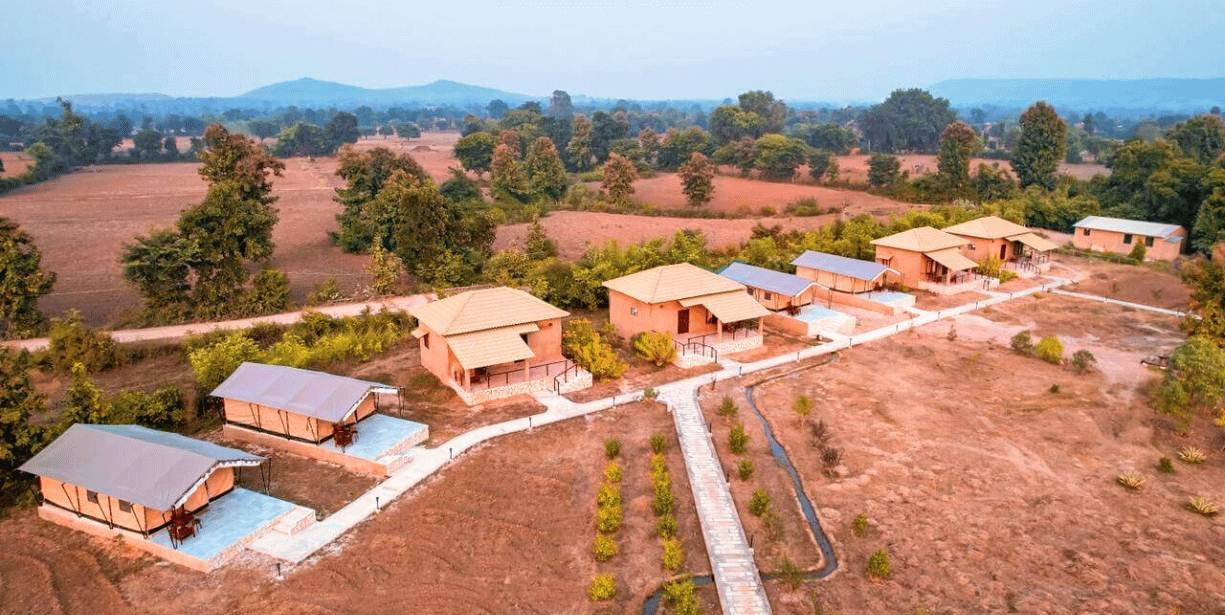
Resorts & Hotels in Panna

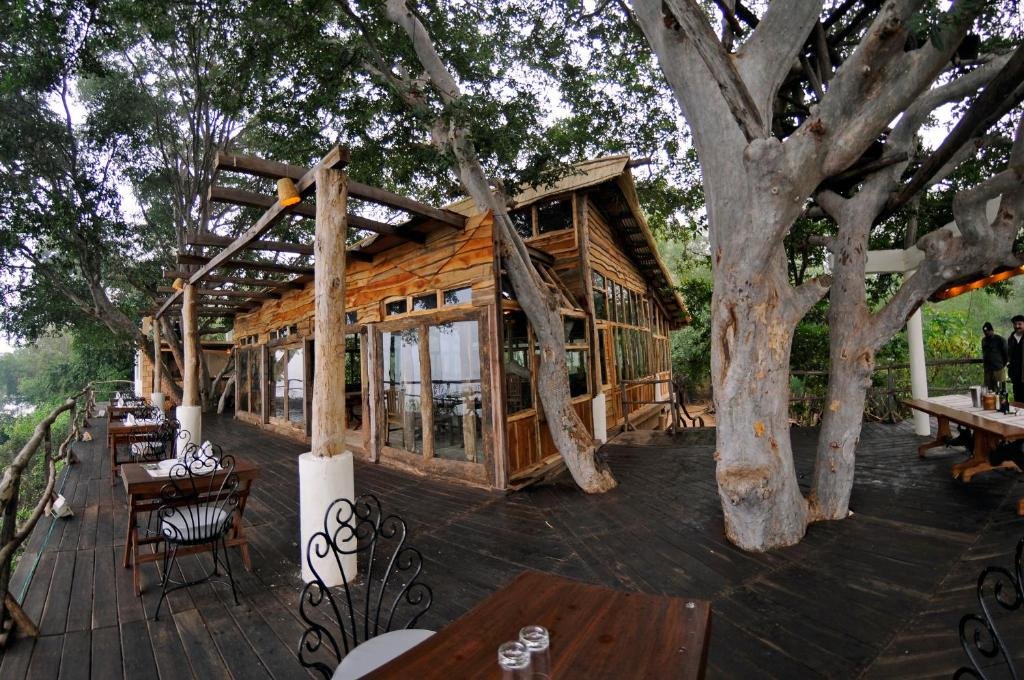
Panna National Park is one of the most visited wildlife tourist destination in the state Madhya Pradesh which allures travellers across the globe. Panna is embellished with amusing wildlife and an abundance of rich flora and fauna. Wildlife enthusiasts come here from different regions of the country. For accommodation luxury, standard and deluxe hotels and resorts are available here.

Frequently Asked Questions

Yes, Panna National Park is open for visitors from October 1st to June 30th. The park is closed on Wednesday evenings for safari.

For the 2026 season, the Madla Gate has reported the highest frequency of tiger sightings, specifically near the Ken River banks.

Yes, the Jhinna Buffer Zone offers a unique night safari experience. It must be booked separately from the core zone safaris.

For the peak 2026 season (March – June), we recommend booking core zone permits (Madla and Hinouta) at least 45 to 60 days in advance. While buffer zones like Jhinna often have last-minute availability, core zone permits are strictly limited and sell out rapidly.

Official sharing safaris (Canter safaris) are not as common in Panna as they are in Ranthambore. Most safaris are conducted via private 4x4 Jeeps (Gypsys). However, travelers can often find "sharing partners" at the Madla Gate ticket counter or through local travel agents to split the cost of a full vehicle.

Yes. Like most tiger reserves in Madhya Pradesh, Panna National Park is closed for evening safaris every Wednesday. Additionally, the core zones are completely closed to tourists during the monsoon season (typically July 1st to September 30th).

Following a highly successful reintroduction and conservation program, Panna is now home to approximately 82+ tigers, including adult males, females, and several active litters of cubs. The population is currently at its highest density since the project began.

The most convenient railway station is Khajuraho (KURJ), located just 20 km (about 30 minutes) from the Madla Gate. For better connectivity to major metros like Delhi or Mumbai, Satna Junction (STA) is also a popular choice, located about 70 km away.